
 en
 az
 ru
 tr
How Should Expenses Be Accounted for in Alternative Energy Sales?
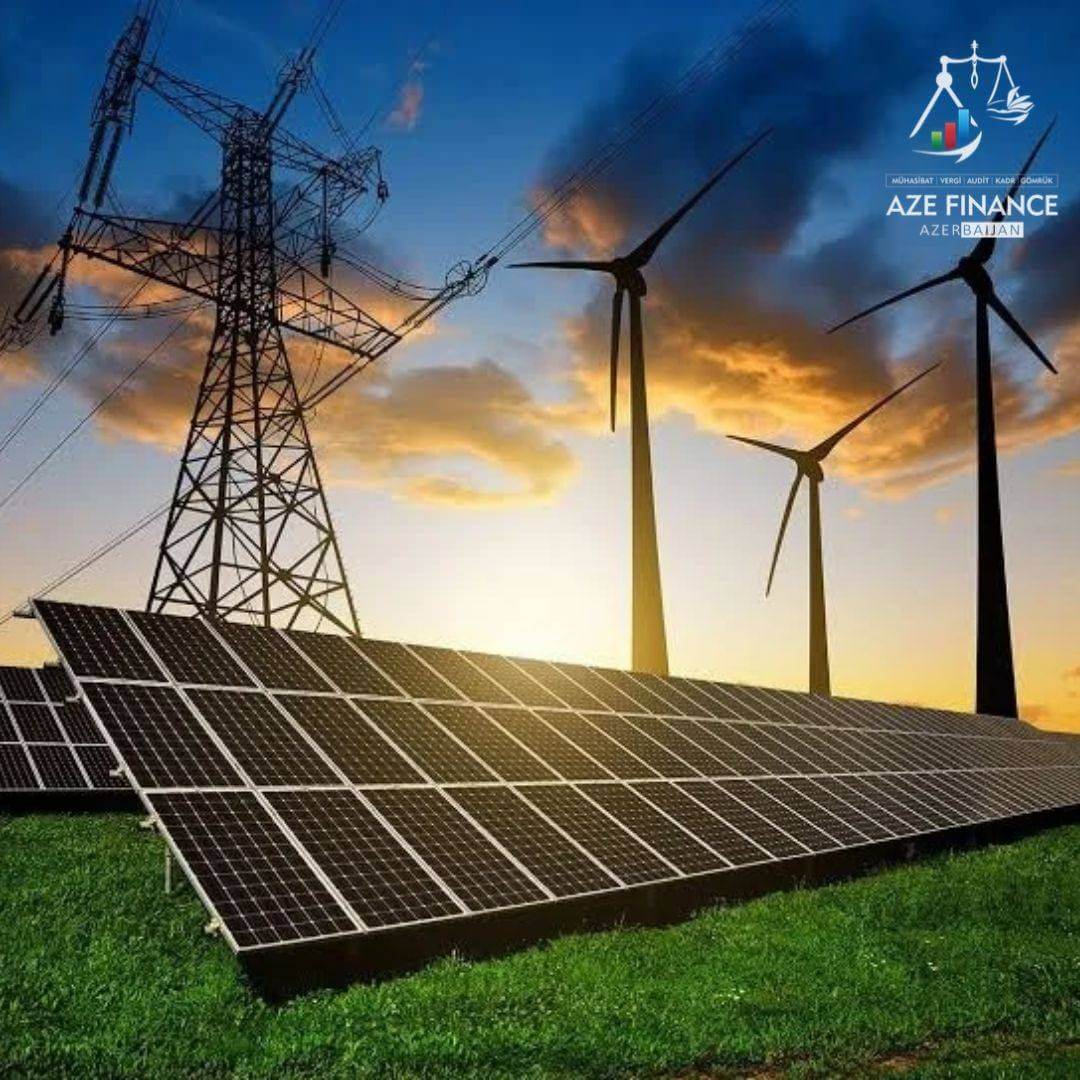
Our company is engaged in the sale of alternative energy, namely electricity generated from solar panels. The current works have been outsourced to a subcontractor. In other words, the subcontractor carries out the work, including the supply of materials and labor. The company I represent only sells the energy generated from the solar panels.
When the subcontractor issues an electronic invoice to our company, the invoice includes both the solar panels and labor services. These are investment-related expenditures. In this case, how should our company's expenses be recognized and accounted for?
According to the agreements with the counterparties to whom we sell the energy, our company will sell solar energy to them for a period of 15 years, and at the end of the 15-year period, the solar panels will remain with the counterparty.
How should we account for our expenses over this 15-year period? In the current year, our expenses confirmed by electronic invoices amounted to AZN 600,000, while our revenue amounted to only AZN 10,000. The main revenue will be generated in future periods.
We cannot recognize these costs as inventory on the balance sheet because the equipment is not kept in a warehouse but is installed directly at the relevant site. We also cannot recognize them as fixed assets because the cost of an individual solar panel is less than AZN 500. In this case, how should the solar panels we purchase be recorded in accounting and presented on the balance sheet? How should we declare our income and expenses in the corporate income tax return?
The State Tax Service under the Ministry of Economy has stated that, in the case described, expenses related to solar panels installed for the purpose of selling energy and subsequently transferring them to the buyer-taxpayer free of charge at the end of the specified period are capitalized for tax purposes and recognized as fixed assets. Depreciation is calculated on these fixed assets in use in accordance with Article 114 of the Tax Code.
In addition, under Article 142.1 of the Tax Code, the income of a person who transfers its assets free of charge or at a preferential price is determined as the difference between the market value of the asset transferred and its value determined in accordance with Article 143 of the Tax Code.
It has also been stated that, in order to accurately determine the tax liabilities, the taxpayer is advised to apply to the tax authority where it is registered, providing detailed information on the nature of the transaction and the actual circumstances, including the terms of the agreements concluded between the parties, the installation of the assets, the sale of energy, and the free transfer of the assets at the end of the specified period, together with supporting documents.
Legal basis: Articles 114 and 142 of the Tax Code.