
 en
en az
az ru
ru tr
tr
Tax incentives in the fisheries sector – EXAMPLE
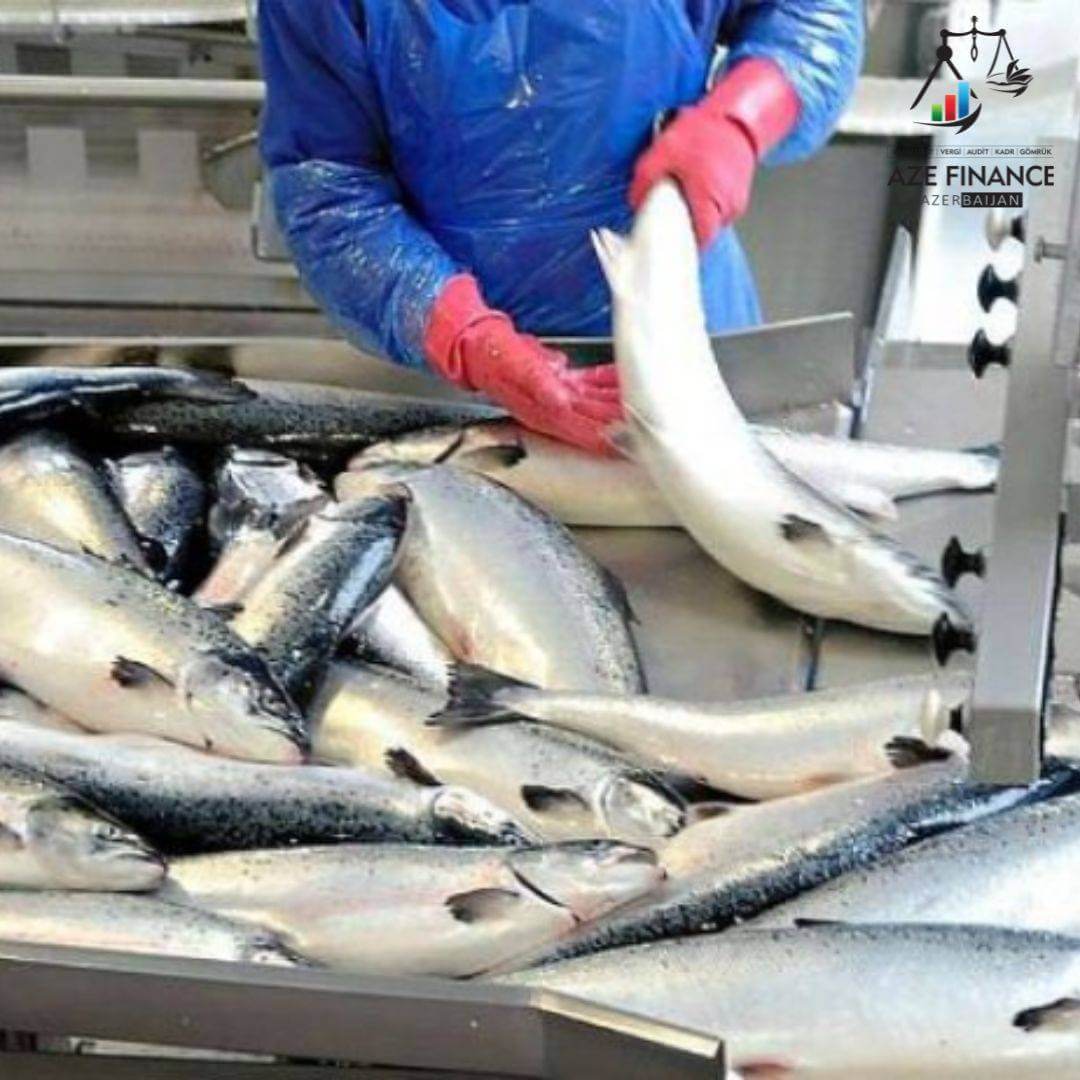
One of the amendments made to the Tax Code effective from 2026 concerns the production of fishery products. As of this year, products produced in this sector are equated to agricultural products. This means that the indefinite tax incentives granted to the agricultural sector will also apply to fish and fishery products. The amendment is commented on by expert Anar Bayramov.
According to the addition made to Article 13.2.60 of the Tax Code, which regulates the concept of “production of agricultural products,” the provisions of this article and Article 13.2.61 of the Code also apply to fishery activities (excluding the production of fish roe/caviar). Except for fish products intended for processing, fish products subjected to slaughtering and freezing operations by persons engaged in aquaculture activities are considered equivalent to agricultural products.
It should be noted that, in accordance with the requirements of the Tax Code, the agricultural sector—except for land tax—has been exempted from most taxes starting this year. In particular, from January 1, 2026, taxpayers engaged in the production of fish products (excluding the production of fish roe/caviar) are exempt from profit tax, income tax, value added tax (VAT), simplified tax, and property tax on assets used in this activity.
Example: A small business entity engaged in the production of fish products earned a profit of 60,000 manats in 2025. In this case, the taxpayer would pay 12,000 manats in profit tax to the state budget:
60,000 × 20% = 12,000 manats.
However, if the same taxpayer earns a profit of 60,000 manats in 2026, no profit tax will be calculated. This is because, as of this year, fishery activities have been included within the scope of the relevant tax incentives.
It should also be noted that the incentive applies to fish products subjected to slaughtering and freezing operations by persons engaged in aquaculture activities. The only area not covered by the incentive is the production of fish roe/caviar. Likewise, tax incentives do not apply to fishery products processed by persons engaged in aquaculture activities.
One of the amendments made to the Tax Code effective from 2026 concerns the production of fishery products. As of this year, products produced in this sector are equated to agricultural products. This means that the indefinite tax incentives granted to the agricultural sector will also apply to fish and fishery products. The amendment is commented on by expert Anar Bayramov.
According to the addition made to Article 13.2.60 of the Tax Code, which regulates the concept of “production of agricultural products,” the provisions of this article and Article 13.2.61 of the Code also apply to fishery activities (excluding the production of fish roe/caviar). Except for fish products intended for processing, fish products subjected to slaughtering and freezing operations by persons engaged in aquaculture activities are considered equivalent to agricultural products.
It should be noted that, in accordance with the requirements of the Tax Code, the agricultural sector—except for land tax—has been exempted from most taxes starting this year. In particular, from January 1, 2026, taxpayers engaged in the production of fish products (excluding the production of fish roe/caviar) are exempt from profit tax, income tax, value added tax (VAT), simplified tax, and property tax on assets used in this activity.
Example: A small business entity engaged in the production of fish products earned a profit of 60,000 manats in 2025. In this case, the taxpayer would pay 12,000 manats in profit tax to the state budget:
60,000 × 20% = 12,000 manats.
However, if the same taxpayer earns a profit of 60,000 manats in 2026, no profit tax will be calculated. This is because, as of this year, fishery activities have been included within the scope of the relevant tax incentives.
It should also be noted that the incentive applies to fish products subjected to slaughtering and freezing operations by persons engaged in aquaculture activities. The only area not covered by the incentive is the production of fish roe/caviar. Likewise, tax incentives do not apply to fishery products processed by persons engaged in aquaculture activities.