
 en
en az
az ru
ru tr
tr
Benefits to be assigned on a proactive basis
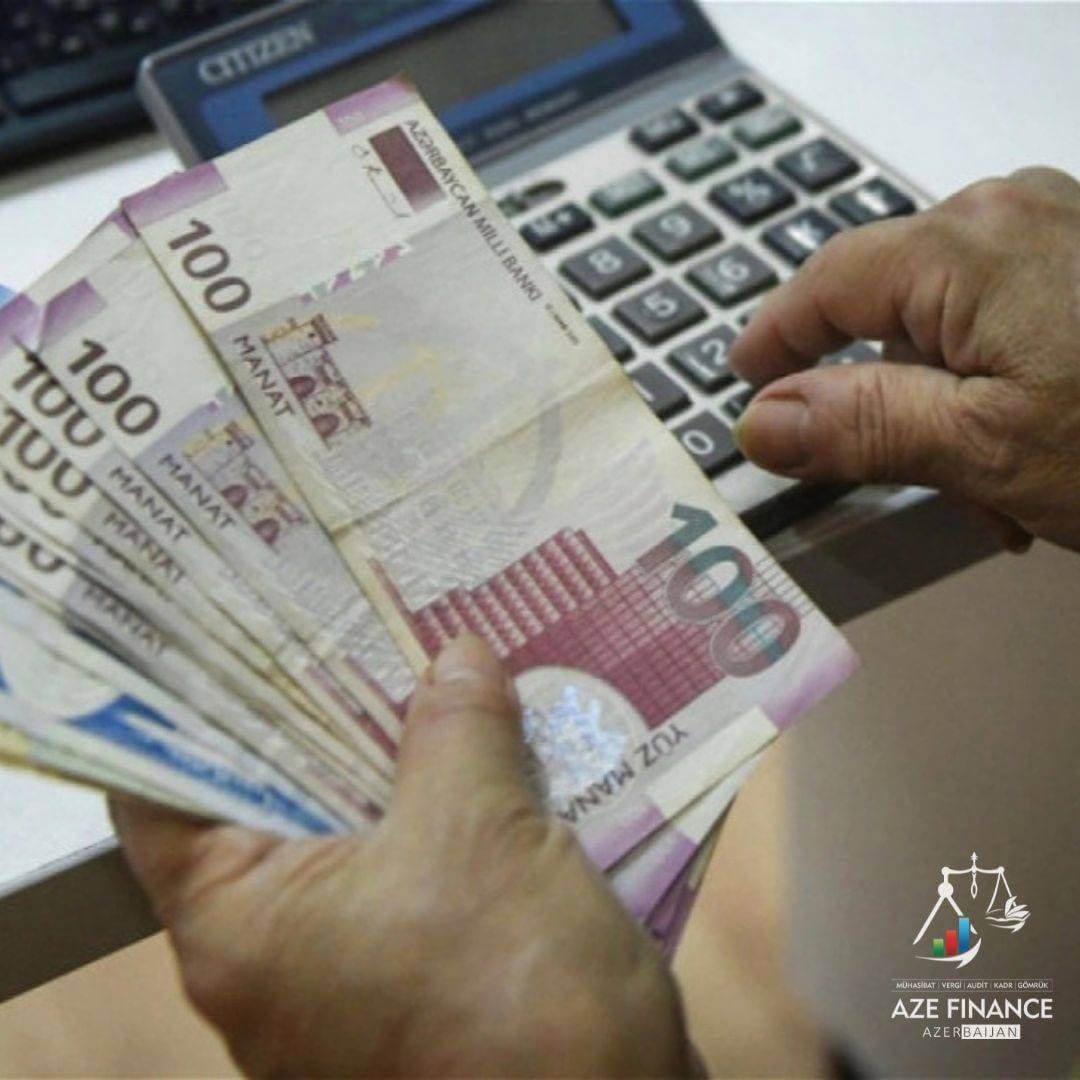
According to Resolution No. 31 dated January 30, 2026, of the Cabinet of Ministers of the Republic of Azerbaijan, reform measures related to social insurance-based benefits envisage the automation of their assignment, as well as a number of humanitarian changes in this area. The topic is commented on by expert Kamala Yusifova.
Thus, starting from May 1, 2026, four types of social insurance-based benefits will be assigned in an automated, proactive manner:
- temporary disability benefit;
- maternity benefit;
- childcare benefit for children under 3 years of age;
- one-time funeral benefit.
As a result, there will be no need for employees to apply, collect, and submit various documents for the assignment of these benefits, and several additional obligations of employers (such as establishing commissions, preparing protocols, calculation sheets, and other documents) will be eliminated.
For example, if the procedure for assigning childcare benefits for children under 3 previously consisted of four stages (submission of the child’s birth certificate to the employer, decision by a commission, submission of documents to the State Social Protection Fund, and payment by the fund), from May 1 it will be completed in just one stage—assignment based on data from electronic systems.
These proactive mechanisms will make the payment process more efficient and transparent, allowing benefits to be paid within a shorter period. As part of the reforms, the current system where temporary disability benefits are paid at 60%, 80%, or 100% depending on insurance experience will be abolished. Instead, all employees will receive 100% regardless of their length of service.
While temporary disability benefits are currently paid for 6 months to persons with disabilities and 12 months to others, they will now be paid for 12 months to all employees. Previously, double childcare benefits were only provided for children of persons disabled due to the Chernobyl accident; now they will be provided for all children with disabilities.
The employer’s obligation to calculate temporary disability and maternity benefits will also be eliminated, and this calculation will be carried out by the insurer (State Social Protection Fund).
One of the key changes is that within 180 calendar days after the payment of temporary disability benefits, if the employer fully pays outstanding mandatory social insurance contributions or submits a revised report leading to an increase in the insured person’s income, the benefit will be recalculated and the difference will be paid. If the income decreases due to revised reporting, the benefit will also be recalculated and any overpaid amount will be recovered.
Maternity benefits will be paid based on data obtained from the “Labor and Employment” subsystem after the employer enters the maternity leave order. Childcare benefits for children under 3 will be automatically assigned based on data from the Ministry of Justice’s information system via the e-Government system and from the relevant subsystem.
The assignment, calculation, and payment of benefits will be ensured within 5 working days from the date the data is transmitted. If deficiencies are detected, this period may be extended up to two times, each for 10 working days. If payment is not possible due to deficiencies, a notification with reasons will be sent to the personal accounts of both the employer and the insured person within 5 working days. Payments will be made after deficiencies are resolved.
For insured persons granted partially paid childcare leave after April 30, 2026, benefits will be assigned automatically through the centralized electronic system based on relevant data and paid by the insurer. For incomplete months, benefits will be paid proportionally to the number of calendar days of leave.
Benefits assigned before May 1, 2026, will continue to be paid in accordance with the legislation in force at the time of their assignment.
According to Resolution No. 31 dated January 30, 2026, of the Cabinet of Ministers of the Republic of Azerbaijan, reform measures related to social insurance-based benefits envisage the automation of their assignment, as well as a number of humanitarian changes in this area. The topic is commented on by expert Kamala Yusifova.
Thus, starting from May 1, 2026, four types of social insurance-based benefits will be assigned in an automated, proactive manner:
- temporary disability benefit;
- maternity benefit;
- childcare benefit for children under 3 years of age;
- one-time funeral benefit.
As a result, there will be no need for employees to apply, collect, and submit various documents for the assignment of these benefits, and several additional obligations of employers (such as establishing commissions, preparing protocols, calculation sheets, and other documents) will be eliminated.
For example, if the procedure for assigning childcare benefits for children under 3 previously consisted of four stages (submission of the child’s birth certificate to the employer, decision by a commission, submission of documents to the State Social Protection Fund, and payment by the fund), from May 1 it will be completed in just one stage—assignment based on data from electronic systems.
These proactive mechanisms will make the payment process more efficient and transparent, allowing benefits to be paid within a shorter period. As part of the reforms, the current system where temporary disability benefits are paid at 60%, 80%, or 100% depending on insurance experience will be abolished. Instead, all employees will receive 100% regardless of their length of service.
While temporary disability benefits are currently paid for 6 months to persons with disabilities and 12 months to others, they will now be paid for 12 months to all employees. Previously, double childcare benefits were only provided for children of persons disabled due to the Chernobyl accident; now they will be provided for all children with disabilities.
The employer’s obligation to calculate temporary disability and maternity benefits will also be eliminated, and this calculation will be carried out by the insurer (State Social Protection Fund).
One of the key changes is that within 180 calendar days after the payment of temporary disability benefits, if the employer fully pays outstanding mandatory social insurance contributions or submits a revised report leading to an increase in the insured person’s income, the benefit will be recalculated and the difference will be paid. If the income decreases due to revised reporting, the benefit will also be recalculated and any overpaid amount will be recovered.
Maternity benefits will be paid based on data obtained from the “Labor and Employment” subsystem after the employer enters the maternity leave order. Childcare benefits for children under 3 will be automatically assigned based on data from the Ministry of Justice’s information system via the e-Government system and from the relevant subsystem.
The assignment, calculation, and payment of benefits will be ensured within 5 working days from the date the data is transmitted. If deficiencies are detected, this period may be extended up to two times, each for 10 working days. If payment is not possible due to deficiencies, a notification with reasons will be sent to the personal accounts of both the employer and the insured person within 5 working days. Payments will be made after deficiencies are resolved.
For insured persons granted partially paid childcare leave after April 30, 2026, benefits will be assigned automatically through the centralized electronic system based on relevant data and paid by the insurer. For incomplete months, benefits will be paid proportionally to the number of calendar days of leave.
Benefits assigned before May 1, 2026, will continue to be paid in accordance with the legislation in force at the time of their assignment.