
 en
en az
az ru
ru tr
tr
Innovation in the VAT calculation procedure for fish and fish products
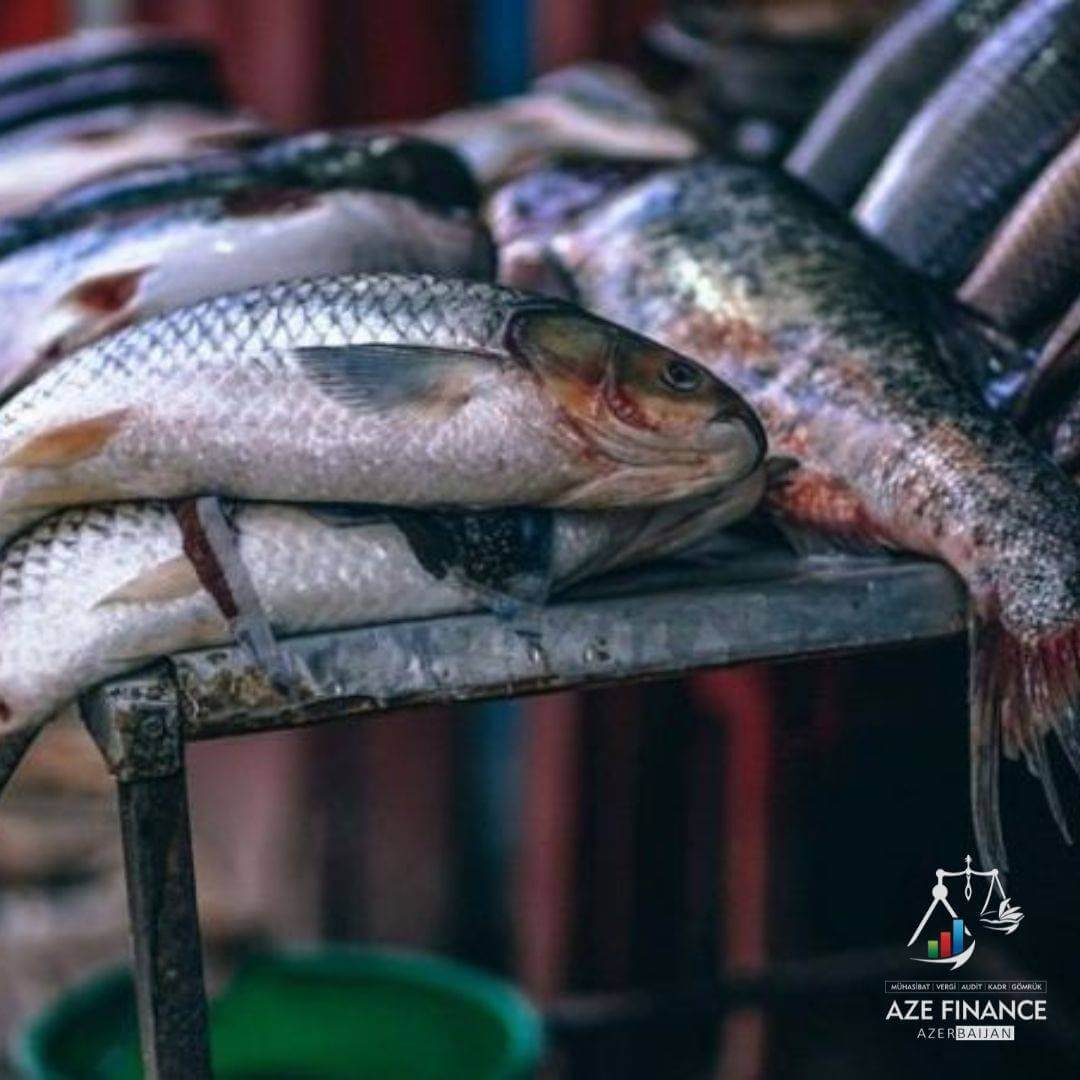
One of the amendments made to the Tax Code from 2026 concerns the procedure for calculating VAT on the sale of fish and fish products. The innovation is explained by Tabriz Mammadli.
Changes have been made to the Tax Code regarding fish and fish products starting from 2026. Fishing activities (except for the production of fish roe and processed fish products) are now considered agricultural activities. At the same time, fish products subjected to cutting and freezing operations are also treated as agricultural products. This creates certain VAT benefits for entrepreneurs operating in this field.
As is known, according to Article 164.1.18 of the Tax Code, turnovers from the sale of products produced by agricultural producers themselves have been exempt from VAT for 13 years starting from January 1, 2014. Since fishing activities are also classified as agricultural activities from 2026, turnovers from the sale of fish products produced by such producers are exempt from VAT.
Example 1: “AA” LLC is a business entity engaged in the production of fish products. The turnover from the sale of fish products produced by the company amounted to 10,000 manats in 2025 and 20,000 manats in 2026. Let us calculate the VAT amount for those years:
For 2025:
10,000 x 18% = 1,800 manats;
For 2026:
Exempt from VAT.
One of the tax incentives introduced through the amendments to the Tax Code is also stipulated in Article 153.3 of the Code, according to which VAT on wholesale and retail sales of agricultural products (both local and foreign-origin, except foreign-origin fish products) is calculated based on the trade margin. When selling fish products, VAT will be calculated not on the sale price, but on the trade margin, meaning the difference between the sale price and the purchase price.
However, it should be noted that this incentive applies only if the purchase of agricultural products is documented with an electronic invoice, import customs declaration and related invoice, as well as an electronic purchase act, and wholesale and retail sales are documented respectively with an electronic invoice and a cash register receipt. If the purchase or sale is not documented in this manner, VAT will be calculated based on the total turnover.
Example 2: “BB” LLC is a business entity engaged in the wholesale sale of fish products. During January 2026, the company purchased fish products worth 10,000 manats from another business entity based on an electronic invoice and sold them to a buyer for 12,000 manats based on an electronic invoice. In this case, VAT for January will be calculated as follows:
Trade margin:
12,000 – 10,000 = 2,000 manats;
VAT amount:
2,000 x 18% = 360 manats.
However, if the purchase or sale is not carried out in accordance with the applicable legislation, VAT will be calculated as follows:
VAT = 12,000 x 18% = 2,160 manats.
One of the amendments made to the Tax Code from 2026 concerns the procedure for calculating VAT on the sale of fish and fish products. The innovation is explained by Tabriz Mammadli.
Changes have been made to the Tax Code regarding fish and fish products starting from 2026. Fishing activities (except for the production of fish roe and processed fish products) are now considered agricultural activities. At the same time, fish products subjected to cutting and freezing operations are also treated as agricultural products. This creates certain VAT benefits for entrepreneurs operating in this field.
As is known, according to Article 164.1.18 of the Tax Code, turnovers from the sale of products produced by agricultural producers themselves have been exempt from VAT for 13 years starting from January 1, 2014. Since fishing activities are also classified as agricultural activities from 2026, turnovers from the sale of fish products produced by such producers are exempt from VAT.
Example 1: “AA” LLC is a business entity engaged in the production of fish products. The turnover from the sale of fish products produced by the company amounted to 10,000 manats in 2025 and 20,000 manats in 2026. Let us calculate the VAT amount for those years:
For 2025:
10,000 x 18% = 1,800 manats;
For 2026:
Exempt from VAT.
One of the tax incentives introduced through the amendments to the Tax Code is also stipulated in Article 153.3 of the Code, according to which VAT on wholesale and retail sales of agricultural products (both local and foreign-origin, except foreign-origin fish products) is calculated based on the trade margin. When selling fish products, VAT will be calculated not on the sale price, but on the trade margin, meaning the difference between the sale price and the purchase price.
However, it should be noted that this incentive applies only if the purchase of agricultural products is documented with an electronic invoice, import customs declaration and related invoice, as well as an electronic purchase act, and wholesale and retail sales are documented respectively with an electronic invoice and a cash register receipt. If the purchase or sale is not documented in this manner, VAT will be calculated based on the total turnover.
Example 2: “BB” LLC is a business entity engaged in the wholesale sale of fish products. During January 2026, the company purchased fish products worth 10,000 manats from another business entity based on an electronic invoice and sold them to a buyer for 12,000 manats based on an electronic invoice. In this case, VAT for January will be calculated as follows:
Trade margin:
12,000 – 10,000 = 2,000 manats;
VAT amount:
2,000 x 18% = 360 manats.
However, if the purchase or sale is not carried out in accordance with the applicable legislation, VAT will be calculated as follows:
VAT = 12,000 x 18% = 2,160 manats.