
 en
en az
az ru
ru tr
tr
Who is eligible for corporate income tax exemptions and incentives?
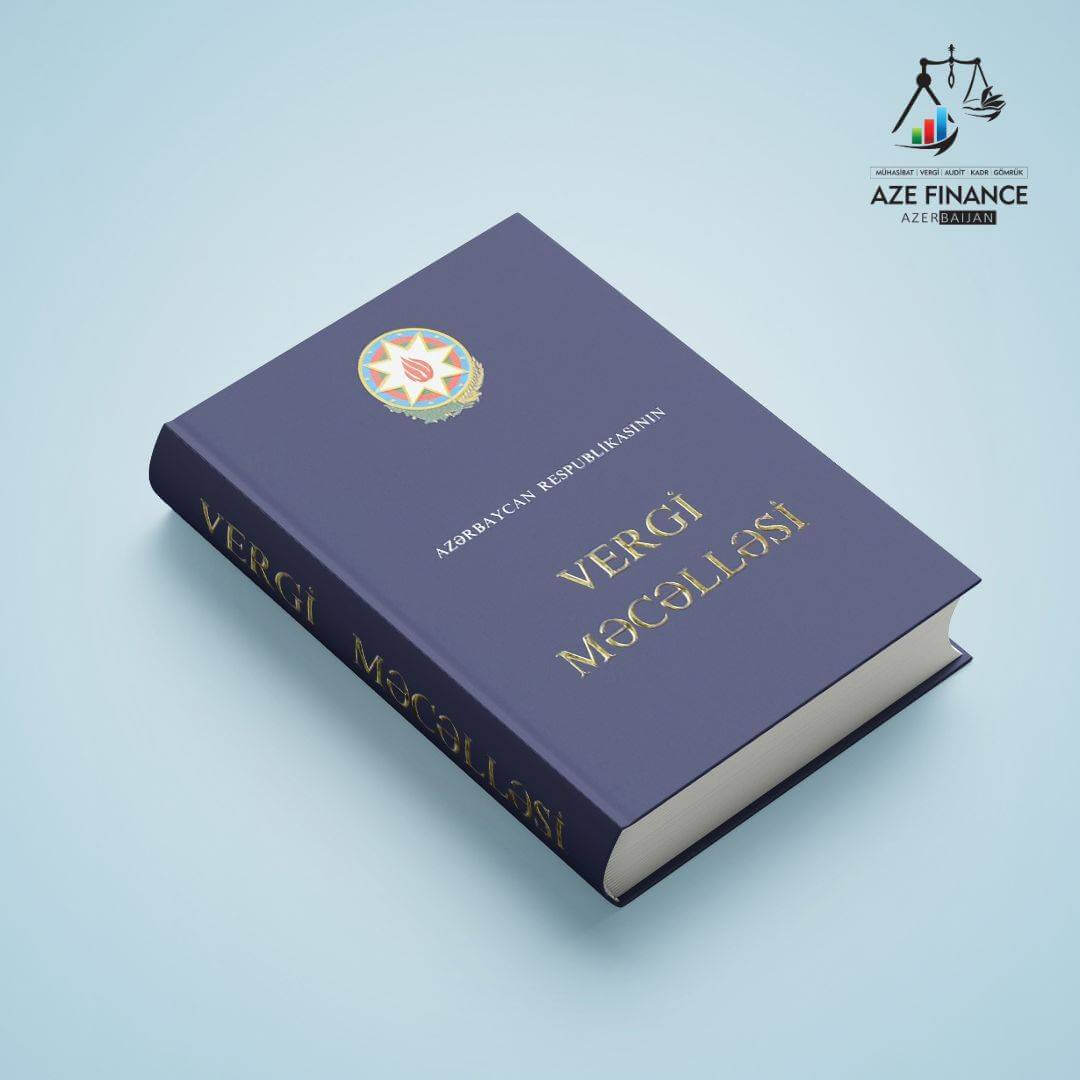
Corporate income tax is one of the main taxes imposed on profits earned by enterprises from their business activities. According to Article 103 of the Tax Code, resident and non-resident enterprises in the Republic of Azerbaijan, as well as non-commercial organizations receiving income from business activities, are taxpayers of corporate income tax.
Under the general rule, the profits of resident enterprises are subject to corporate income tax at a rate of 20 percent. However, the Tax Code provides for a number of tax incentives and exemptions aimed at developing specific sectors of the economy, promoting investment, supporting small businesses and encouraging innovative activities. The issue is explained by tax specialist Jale Abbasova.
So, which business entities are eligible for these incentives and under what conditions?
How is corporate income tax calculated?
Under the general rule, an enterprise's profit is determined by deducting from its income the expenses related to earning that income and deductible in accordance with the procedure established by law.
For example, suppose an enterprise earns AZN 500,000 in 2026, while its deductible expenses amount to AZN 400,000.
In this case, the enterprise's profit will be:
500,000 – 400,000 = AZN 100,000
Corporate income tax:
100,000 × 20% = AZN 20,000.
However, if the enterprise is entitled to tax incentives provided for by the Tax Code, its taxable profit and, consequently, its corporate income tax liability will be reduced.
1. 75 percent incentive for micro-enterprises
Under Article 106.1.20 of the Tax Code, 75 percent of the profit earned from business activities by a legal entity classified as a micro-enterprise and meeting the prescribed conditions is exempt from corporate income tax.
Having micro-enterprise status alone is not sufficient to qualify for this incentive. The relevant requirements must also be met, including requirements concerning the average monthly number of employees and the absence of outstanding mandatory state social insurance contributions.
Example:
Suppose “AA” LLC earns AZN 80,000 in profit in 2026 and meets the conditions established for the incentive.
75 percent of the profit:
80,000 × 75% = AZN 60,000
Taxable profit after applying the incentive:
80,000 – 60,000 = AZN 20,000
Corporate income tax:
20,000 × 20% = AZN 4,000.
Without the incentive, the tax would amount to AZN 16,000. Thus, the incentive reduces the company's tax liability by AZN 12,000.
2. Incentives for agricultural activities
Tax exemptions on corporate income are also provided for persons engaged in the production of agricultural products in order to support the development of the agricultural sector.
Under Article 106.1.14 of the Tax Code, the profit earned by legal entities engaged in the production of agricultural products from such activities is exempt from corporate income tax for the period established by law.
In addition, incentives apply to non-operating income related to agricultural activities, subsidies provided from the state budget and, in certain cases, dividend income.
One of the key issues here is correctly distinguishing between the production of agricultural products and purchasing products for subsequent resale.
For example, the sale of tomatoes grown by a farm itself may be considered part of agricultural production. However, if an enterprise purchases tomatoes from another producer and resells them, its activity is considered trading activity, and the incentives provided for agricultural producers do not automatically apply to that enterprise.
Under the latest amendments, subject to certain conditions, fishing activities have also been included within the concept of the production and sale of agricultural products.
3. Incentives for residents of industrial and technology parks
Tax incentives are also provided for residents of industrial and technology parks in order to promote investment and innovation activities.
Under Article 106.1.13 of the Tax Code, income earned by residents meeting the prescribed conditions from activities carried out in an industrial or technology park is exempt from corporate income tax for the period established by law, starting from the reporting year in which they are registered.
In addition, the legislation provides special incentives for activities carried out by technology park residents, including system integration, software development and software improvement.
Example:
If a company that is a resident of a technology park develops software and earns AZN 500,000 in profit from this activity, it may benefit from the corporate income tax incentive provided it meets the conditions established by law.
However, it is important to note that all income of the enterprise cannot automatically be treated as incentive-eligible income. Income and expenses related to the activity covered by the incentive must be accounted for separately from other activities.
4. Incentive under an investment promotion certificate
An investment promotion mechanism is applied to encourage investment and the establishment of new production facilities.
Under Article 106.1.17 of the Tax Code, 50 percent of the profit earned by a legal entity holding an investment promotion certificate, starting from the date the certificate is obtained, is exempt from corporate income tax for a period of 7 years.
To benefit from this incentive, the existence and validity period of the investment promotion certificate must be taken into account.
5. Incentives for media entities
Under Article 106.1.32 of the Tax Code, except for audiovisual media entities, income earned by media entities from their own activities, including advertising income, as well as profits related to material assistance provided in accordance with the established procedure, are exempt from corporate income tax.
The period of this incentive has also been extended in accordance with the legislation.
6. Incentive for public catering businesses
The Tax Code also provides a special tax incentive for persons engaged in public catering activities.
Under Article 174.5 of the Tax Code, income derived from a reduction in the amount of VAT when calculating VAT payable to the state budget is exempt from corporate income tax in certain cases.
While this mechanism was previously applied mainly to medical institutions, amendments introduced in 2026 have also made the relevant incentive available to persons engaged in public catering activities.
What should be considered when applying tax incentives?
When applying corporate income tax incentives, it is not sufficient for an enterprise simply to belong to a certain category. Other conditions established by the legislation must also be carefully verified in order for the enterprise to qualify for the incentive.
It is particularly important to properly allocate income and expenses when an enterprise carries out both activities eligible for incentives and other types of activities.
For example, if an enterprise carries out separate trading activities in addition to manufacturing activities within an investment project, it would not be correct to treat all of its profit as incentive-eligible. Income and expenses related to the eligible activity and other activities must be determined separately.
What should accountants check?
When applying corporate income tax incentives, it is advisable to check the following points in sequence:
1. Determine which category of business entity the enterprise belongs to;
2. Verify the conditions established by law for applying the incentive;
3. Separate incentive-eligible activities from other activities;
4. Maintain separate and accurate accounting of incentive-eligible income and related expenses;
5. Correctly determine the average monthly number of employees;
6. Check the status of tax and mandatory state social insurance liabilities;
7. Determine the validity period of the investment promotion certificate or resident status;
8. Precisely determine the reporting period for which the incentive may be applied.
Conclusion
Corporate income tax incentives are an important mechanism that enables businesses to reduce their tax burden. However, in order to apply these incentives correctly, it is not enough for an enterprise merely to fall into an eligible category; all conditions established by the legislation must be met.
In particular, the correct classification of business activities, separate accounting of income and expenses, and accurate determination of the applicable periods and conditions of incentives play an important role in calculating tax liabilities.
Therefore, when calculating corporate income tax for 2026, businesses should identify in advance which incentives they may qualify for and carefully verify the conditions for their application.
Corporate income tax is one of the main taxes imposed on profits earned by enterprises from their business activities. According to Article 103 of the Tax Code, resident and non-resident enterprises in the Republic of Azerbaijan, as well as non-commercial organizations receiving income from business activities, are taxpayers of corporate income tax.
Under the general rule, the profits of resident enterprises are subject to corporate income tax at a rate of 20 percent. However, the Tax Code provides for a number of tax incentives and exemptions aimed at developing specific sectors of the economy, promoting investment, supporting small businesses and encouraging innovative activities. The issue is explained by tax specialist Jale Abbasova.
So, which business entities are eligible for these incentives and under what conditions?
How is corporate income tax calculated?
Under the general rule, an enterprise's profit is determined by deducting from its income the expenses related to earning that income and deductible in accordance with the procedure established by law.
For example, suppose an enterprise earns AZN 500,000 in 2026, while its deductible expenses amount to AZN 400,000.
In this case, the enterprise's profit will be:
500,000 – 400,000 = AZN 100,000
Corporate income tax:
100,000 × 20% = AZN 20,000.
However, if the enterprise is entitled to tax incentives provided for by the Tax Code, its taxable profit and, consequently, its corporate income tax liability will be reduced.
1. 75 percent incentive for micro-enterprises
Under Article 106.1.20 of the Tax Code, 75 percent of the profit earned from business activities by a legal entity classified as a micro-enterprise and meeting the prescribed conditions is exempt from corporate income tax.
Having micro-enterprise status alone is not sufficient to qualify for this incentive. The relevant requirements must also be met, including requirements concerning the average monthly number of employees and the absence of outstanding mandatory state social insurance contributions.
Example:
Suppose “AA” LLC earns AZN 80,000 in profit in 2026 and meets the conditions established for the incentive.
75 percent of the profit:
80,000 × 75% = AZN 60,000
Taxable profit after applying the incentive:
80,000 – 60,000 = AZN 20,000
Corporate income tax:
20,000 × 20% = AZN 4,000.
Without the incentive, the tax would amount to AZN 16,000. Thus, the incentive reduces the company's tax liability by AZN 12,000.
2. Incentives for agricultural activities
Tax exemptions on corporate income are also provided for persons engaged in the production of agricultural products in order to support the development of the agricultural sector.
Under Article 106.1.14 of the Tax Code, the profit earned by legal entities engaged in the production of agricultural products from such activities is exempt from corporate income tax for the period established by law.
In addition, incentives apply to non-operating income related to agricultural activities, subsidies provided from the state budget and, in certain cases, dividend income.
One of the key issues here is correctly distinguishing between the production of agricultural products and purchasing products for subsequent resale.
For example, the sale of tomatoes grown by a farm itself may be considered part of agricultural production. However, if an enterprise purchases tomatoes from another producer and resells them, its activity is considered trading activity, and the incentives provided for agricultural producers do not automatically apply to that enterprise.
Under the latest amendments, subject to certain conditions, fishing activities have also been included within the concept of the production and sale of agricultural products.
3. Incentives for residents of industrial and technology parks
Tax incentives are also provided for residents of industrial and technology parks in order to promote investment and innovation activities.
Under Article 106.1.13 of the Tax Code, income earned by residents meeting the prescribed conditions from activities carried out in an industrial or technology park is exempt from corporate income tax for the period established by law, starting from the reporting year in which they are registered.
In addition, the legislation provides special incentives for activities carried out by technology park residents, including system integration, software development and software improvement.
Example:
If a company that is a resident of a technology park develops software and earns AZN 500,000 in profit from this activity, it may benefit from the corporate income tax incentive provided it meets the conditions established by law.
However, it is important to note that all income of the enterprise cannot automatically be treated as incentive-eligible income. Income and expenses related to the activity covered by the incentive must be accounted for separately from other activities.
4. Incentive under an investment promotion certificate
An investment promotion mechanism is applied to encourage investment and the establishment of new production facilities.
Under Article 106.1.17 of the Tax Code, 50 percent of the profit earned by a legal entity holding an investment promotion certificate, starting from the date the certificate is obtained, is exempt from corporate income tax for a period of 7 years.
To benefit from this incentive, the existence and validity period of the investment promotion certificate must be taken into account.
5. Incentives for media entities
Under Article 106.1.32 of the Tax Code, except for audiovisual media entities, income earned by media entities from their own activities, including advertising income, as well as profits related to material assistance provided in accordance with the established procedure, are exempt from corporate income tax.
The period of this incentive has also been extended in accordance with the legislation.
6. Incentive for public catering businesses
The Tax Code also provides a special tax incentive for persons engaged in public catering activities.
Under Article 174.5 of the Tax Code, income derived from a reduction in the amount of VAT when calculating VAT payable to the state budget is exempt from corporate income tax in certain cases.
While this mechanism was previously applied mainly to medical institutions, amendments introduced in 2026 have also made the relevant incentive available to persons engaged in public catering activities.
What should be considered when applying tax incentives?
When applying corporate income tax incentives, it is not sufficient for an enterprise simply to belong to a certain category. Other conditions established by the legislation must also be carefully verified in order for the enterprise to qualify for the incentive.
It is particularly important to properly allocate income and expenses when an enterprise carries out both activities eligible for incentives and other types of activities.
For example, if an enterprise carries out separate trading activities in addition to manufacturing activities within an investment project, it would not be correct to treat all of its profit as incentive-eligible. Income and expenses related to the eligible activity and other activities must be determined separately.
What should accountants check?
When applying corporate income tax incentives, it is advisable to check the following points in sequence:
1. Determine which category of business entity the enterprise belongs to;
2. Verify the conditions established by law for applying the incentive;
3. Separate incentive-eligible activities from other activities;
4. Maintain separate and accurate accounting of incentive-eligible income and related expenses;
5. Correctly determine the average monthly number of employees;
6. Check the status of tax and mandatory state social insurance liabilities;
7. Determine the validity period of the investment promotion certificate or resident status;
8. Precisely determine the reporting period for which the incentive may be applied.
Conclusion
Corporate income tax incentives are an important mechanism that enables businesses to reduce their tax burden. However, in order to apply these incentives correctly, it is not enough for an enterprise merely to fall into an eligible category; all conditions established by the legislation must be met.
In particular, the correct classification of business activities, separate accounting of income and expenses, and accurate determination of the applicable periods and conditions of incentives play an important role in calculating tax liabilities.
Therefore, when calculating corporate income tax for 2026, businesses should identify in advance which incentives they may qualify for and carefully verify the conditions for their application.